Do you respect your body and what it’s capable of? Do you respect what you CAN’T do? Do you treat it well, or like a garbage disposable?
That last sentence sounds harsh, but the sad fact is, a LOT
of us eat things we shouldn’t or are almost poison for our bodies simply
because it’s easy or tastes good. And before anyone thinks I’m judging, just
know that I am as guilty as anyone else of doing this. In fact, I am probably MORE
guilty than most because for YEARS I have been on this struggle bus.
For busy moms, respecting our bodies can become a vague
notion that we’d LIKE to work on when we can find the time between life
– work, spouse, kids, etc.
And speaking of “vague notions”, what exactly does
Respecting Your Body mean, anyway?
For some, it could mean what you’re eating. It could mean
how or how much you’re moving. It could mean how you choose to de-stress or
practice self-care.
I view respecting my body as a combination of all 3 of those
options, and I’m sure there are more ways to respect your body from a health
and wellness perspective that I just haven’t seen or heard of yet.
And unfortunately, I’m not doing enough to respect my body
when it comes to my health, wellness, and nutrition, but I’m working on it.
When it comes to moving my body in a respectful manner, it
means 3 specific things – for me! For others, this is going to be different,
but hopefully you will get a few ideas for yourself.
It means moving MORE. I have a very bad tendency to come home, plop down in my chair, and that’s it for me for the night. I’m trying to work on moving my body more, whether it’s getting more steps during the day, more exercises like squats, lunges, or countertop pushups, or intentionally putting on music that will make me want to dance.

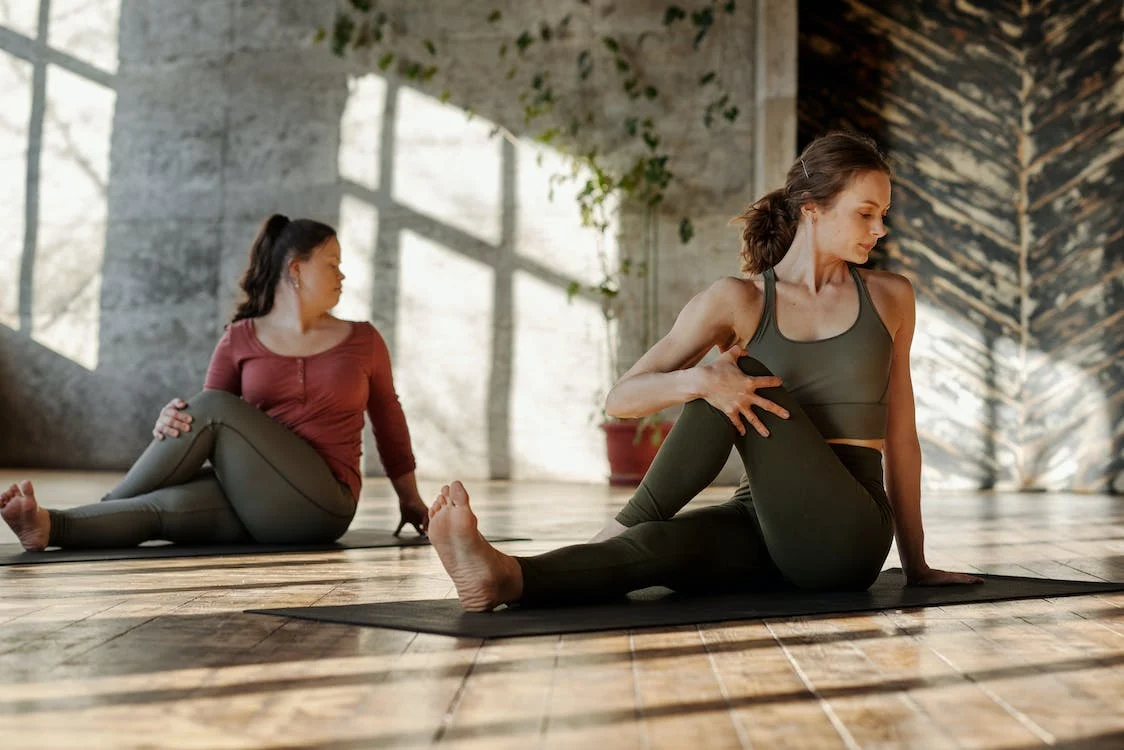
I also need to incorporate more STRETCHING into my
life to alleviate some of the aches and pains that are popping up as I age.
But another aspect of moving my body also means understanding
that I can’t do certain things I used to do. I can’t really do exercises
that involve jumping around anymore. My bladder simply will not tolerate that
nonsense from me. My knee has a minor tear that doesn’t require surgery but
makes certain movements difficult.
Respecting my body also means becoming more particular about
what I’m eating. For me, it means cutting out the processed foods as much as
possible, with a few exceptions. I’m going to continue to eat dark chocolate –
preferably the good stuff that has 70% or above cocoa; I’m going to eat pasta –
in moderation; I’m going to have snacks now and then – again, in moderation.
But I’m trying to ADD more fruits, vegetables, lean meats, and whole
grains. Sometimes I succeed and sometimes I fail, but I’m still going to keep
working.
When it comes to respecting our bodies, I think self-care can get a bad reputation simply because I think people imagine bubble baths for 3 hours, spa days, or elaborate skincare/beauty routines. And while there is NOTHING WRONG with any of those things, it’s not really a fair representation of what self-care can do for your body.

Don’t even get me started on the benefits of massage for
caring for your body! Massage therapist for over 14 years and I cannot stress ENOUGH
all the benefits of getting a massage for helping your body! It’s not just
about pampering or relaxing. The actual physical/medical benefits are numerous!
But other things like dry brushing, cold plunge (or cold
showers), sauna, yoga, sitting peacefully outside for a few minutes, etc. These
are all forms of self-care that can do wonders for your body in a physical
sense, and that’s not even touching on the multitude of ways to care for
yourself MENTALLY!
The notion of respecting your body doesn’t have to mean
stringent fitness routines, strict eating habits, or a militant daily schedule
to keep you on track. Or it can mean EXACTLY those things! You have to
determine what works best for your health and wellness, and what Respecting
Your Body looks like for you.
It really will be different for everyone. This is 100% a case where one size DOES NOT fit all. And this is also a time when experimenting with what works for you is going to be crucial to your health. You might find that changing your nighttime routine to include 5 minutes of stretching before bed or adding a couple of minutes of face massage after you lay down can help your body relax which helps you sleep better which helps you feel more rested and improves your mood and energy levels the next day.
Or you might add whole wheat toast with nut butter and a
piece of fruit to your morning when you’re really not a breakfast eater, and
realize you feel fuller and in a better mood all morning long.
Whatever you discover that feels like respecting your body,
your health, and your wellness is the right direction to explore.
And if you would like to learn how Health and Nutrition
Coaching can help you discover the best health and wellness path for you, Booka FREE Consultation with me.
Comments
Post a Comment